The questions I ask to create the best possible website
Gathering the most relevant information to design a custom website is the most important part of the work. As much when redoing an existing site as when starting a brand new project. Here are the questions I ask most of the time:
What are your site's goals, and what do you expect from it?
Receiving more quote requests. Avoiding calls about questions whose answer is already online. Reassuring a client before a meeting. Recruiting. Selling directly.
A site can have several goals, but putting them in order of priority matters, so the structure stays coherent and guides visitors towards the action that suits them.
What is your company's story?
What got you started, how you ended up here.
Taking over a family business, a change of career, a passion turned into a trade: every beginning tells something nobody can copy.
Why I ask: visitors trust people before they trust companies. A few true lines about your path often reassure more than a long list of services.
What matters to you? What are your values?
Not a list of fine-sounding values. What can genuinely be seen in the way you work. What you look for in the personality of your employees, and what you teach them.
Why I ask: these details become sentences, photos and proof on the site. Big words like quality or professionalism look the same from one site to the next; your own details look like nobody but you.
Who are your clients?
If you can describe your typical client to me.
A private individual renovating a house, a freelancer starting out, a company looking for a partner it can trust? And among them, the one you would like to have more often.
Why I ask: a site that speaks to everyone speaks to nobody. The portrait of your ideal client decides the vocabulary, the photos, the level of technical detail, and even the order of the pages. The sharper it is, the more your visitors will feel the site was written for them.
What do you do differently from the others?
The hardest question, and the most useful. Many people no longer see what is particular about them, because they do it every day.
A hint: what your clients say about you when they recommend you. The speed, the care, the listening, a rare speciality.
Why I ask: this material is worth gold. It is what turns correct text into text that sounds like you, and a correct site into a site people remember.
How do your clients find you today?
Word of mouth, social networks, your Google listing, a van seen on a building site: every trade has its own paths.
Why I ask: the site builds on the ones that already work. If you are recommended a lot, it will mostly be visited for reassurance, and it has to confirm in a few seconds what was said about you. If your clients search for you on Google, then search visibility and the exact words they type become the heart of the work.
Is your current site performing?
The question is not whether you like it. It is whether it brings you visits, calls, messages, sales.
Why I ask: if you have figures, we know what to keep and what to change. If you have none, the first thing to put in place is not a new design, it is a way to measure.
How do you handle your online communication today?
Posts on social networks, a Google Business listing, a newsletter, or nothing at all for now: all of it is worth knowing.
Why I ask: your site has to plug into what already exists. If you publish regularly, it becomes the destination of your posts, and every page has to be ready to be shared. If you are not communicating yet, it becomes the first stone, the one everything else will rest on when the day comes.
What kind of support do you need after going live?
A site is not a brochure you print once and for all. It moves with your business and with what your visitors do. A page that works today may bring nothing in a year, and that shows in the figures long before you feel it.
Concretely: would you rather I get back to you regularly to take stock and update the texts, or that you call me when you need to?
Why I ask: this is what makes the difference between a site that stays useful and a site that stops on its launch day.
Who handles the texts and the photos, and what do you want to be able to change yourself?
These two questions are really one: knowing who handles it determines how I build the site.
First the content. Who writes the texts, who provides the photos. And above all: do they already exist, in good quality, and do you have the right to use them?
Then your level of autonomy: what you want to be able to change without me. Editing your texts yourself requires an admin area, so a little more budget and a little time to learn how to use it. Letting me make the changes requires working together over time. Neither is better, they simply cost in different places.
Why I ask: this is what blocks the most projects. A site can be technically ready and wait months because the texts never arrived. And if nobody takes care of what follows, the site will be outdated in a year, even if it was excellent at the start.
Your answers already draw your site
If you answered these ten questions as you read, you have already covered a good part of the way: the rest is my job. And if some answers are still missing, that is fine too. Finding them together is part of the project, and it is often my favourite part.
Ready to think it through together? Tell me about your project.
Want to go further?
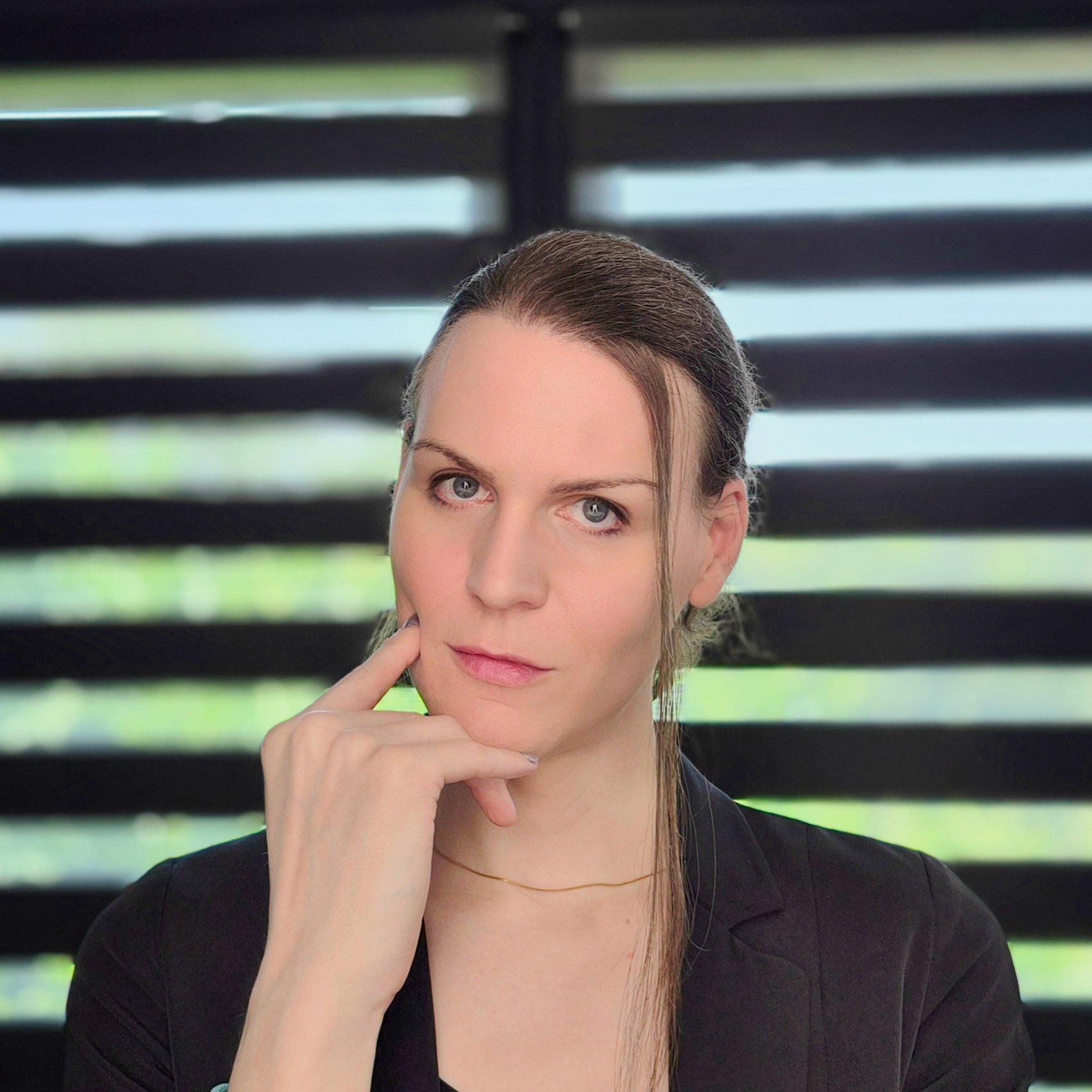
Hello! I'm Lexy, a graphic designer and a developer of websites and apps for 12 years. Every project is unique to me: I draw logos and I build custom websites for freelancers and companies, from the first sketch to going live, to help them reach their goals with a strong identity online.
A question, a project in mind? Write to me, or discover my work through the links below.